
 EN
EN KA
KA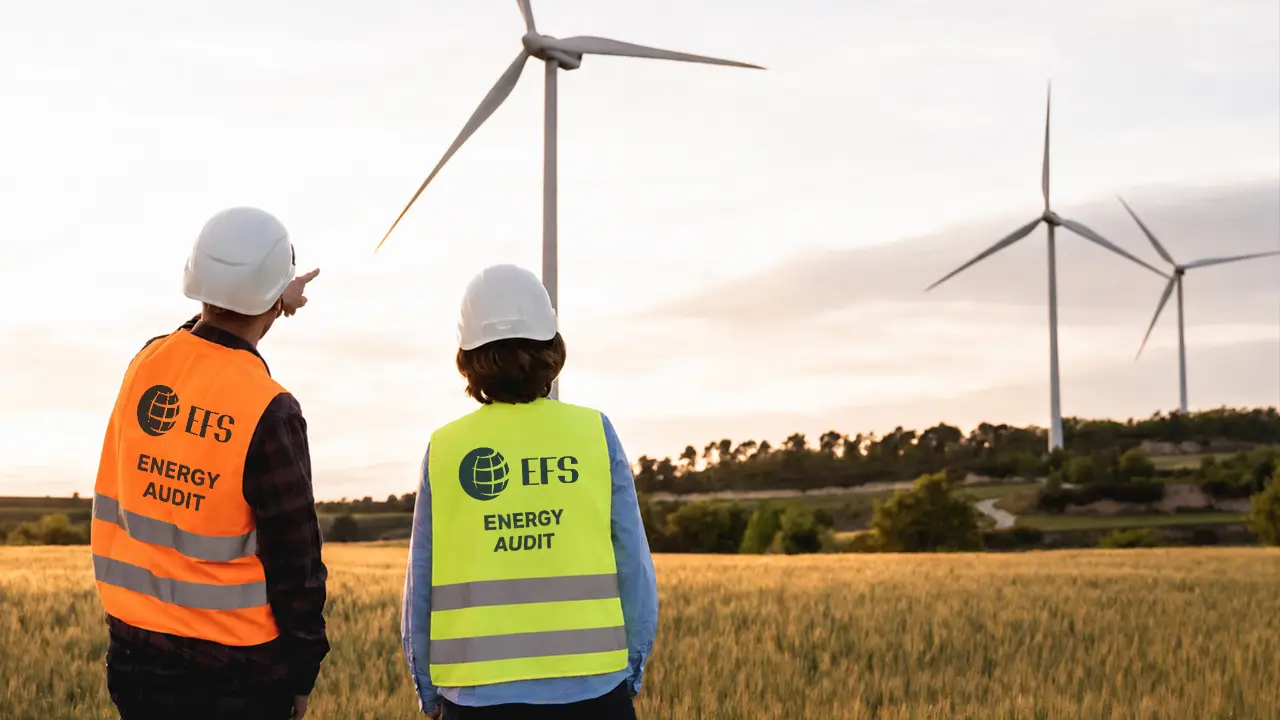
Discussions around energy efficiency in construction are often associated with increased costs and complex technical requirements. In reality, international energy efficiency standards have, for decades, addressed issues that directly affect every business: how much energy a building consumes, where energy losses occur, and the long-term financial impact of those losses.
These are questions that concern even organizations unfamiliar with the standards themselves. Companies that take an informed approach address them systematically, generating measurable benefits through reduced operating costs, improved resource efficiency, and enhanced
operational performance.
Standards That Deliver Practical Value
Several internationally recognized frameworks provide the foundation for effective energy management, including the European Union's Energy Efficiency Framework.
These standards enable organizations to establish internal energy management policies, define measurable energy performance objectives, and systematically monitor their achievement.
Energy auditing standards, in particular, establish a structured methodology for conducting audits: defining how assessments should be performed, which data should be collected, how the information should be analyzed, and how improvement recommendations should be developed.
This is especially valuable for organizations seeking to evaluate the energy performance of their buildings, as the latest versions of these standards provide a significantly more comprehensive and robust methodology than earlier editions.
The European Union's Energy Efficiency Directive (EED) further requires Member States to substantially increase cumulative energy savings by 2028. These obligations affect the construction sector, industrial facilities, and commercial buildings alike. In this context, energy efficiency standards serve not merely as recommendations, but as practical instruments for achieving regulatory compliance and improving energy performance.
Another key international benchmark is ASHRAE Standard 90.1, which establishes the minimum energy efficiency requirements for commercial buildings. The standard is widely recognized in international tenders and investment projects, particularly where U.S. or international financial institutions and investors are involved.
Why International Energy Efficiency Standards Matter for Georgian Businesses
International energy efficiency standards are becoming increasingly relevant for Georgian businesses for two practical reasons.
Energy costs. Energy consumption represents a significant share of operating expenses for virtually every commercial facility. A professionally conducted energy audit identifies where energy losses occur often in areas where corrective actions are technically straightforward and deliver immediate financial returns. Experience shows that some of the largest energy losses frequently occur in ventilation systems and electrical distribution networks, where inefficiencies often remain unnoticed.
Access to international markets. Companies working with European partners, international investors, or participating in international procurement and tendering processes are increasingly required to demonstrate compliance with recognized energy efficiency standards. An energy audit performed in accordance with internationally accepted methodologies provides the documented evidence needed to meet these requirements. Without a structured assessment of energy performance, organizations may face significant challenges in maintaining their competitiveness in international markets.
Energy Audits with EFS
An energy audit provides a comprehensive assessment of a facility's energy performance and identifies opportunities for improving efficiency.
EFS delivers both preliminary and comprehensive energy audits, covering the following stages:
· On-site facility inspection;
· Collection of technical and operational data;
· Analysis and processing of collected information;
· Identification of resource-efficient improvement measures;
· Assessment of the potential financial, energy, and environmental benefits associated with the proposed measures.
The outcome delivers value across three key dimensions:
· Financial: Reduced energy costs;
· Energy: Lower overall energy consumption;
· Environmental: Reduced greenhouse gas emissions.
These three benefits are closely interconnected: lower energy consumption translates directly into lower operating costs while simultaneously reducing environmental impact. Many organizations discover through the audit process that energy auditing should be viewed not as an expense, but as a strategic investment.
It is important to emphasize that an energy audit is not a one-time exercise. Effective energy management is based on the internationally recognized Plan–Do–Check–Act (PDCA) cycle, which requires continuous monitoring, evaluation, and improvement. A single assessment cannot ensure sustained energy performance without ongoing performance management.
Under the European Union Energy Efficiency Directive, mandatory energy audits apply to organizations whose energy consumption exceeds specified thresholds, regardless of company size. This requirement covers commercial buildings, hotels, industrial facilities, office buildings, and other energy-intensive properties.
Although these obligations are not yet fully mandatory for Georgian businesses, the regulatory and commercial environment in which they operate is increasingly aligning with European energy efficiency requirements. Organizations that prepare proactively will face a significantly smoother transition and lower compliance costs in the future.
Practical experience consistently demonstrates that energy efficiency measures achieve the greatest return when they are integrated during the planning and design phases, rather than implemented only after excessive operating costs have become evident.
Energy efficiency is no longer simply an environmental objective it has become a strategic business advantage.
To learn how EFS can help improve your organization's energy performance, contact our team or complete the inquiry form.