
 EN
EN KA
KA
Construction is a complex, labor-intensive, and high-risk process that is often accompanied by unforeseen challenges. Georgia is among the countries where cases of improperly managed construction processes remain relatively common. Addressing this issue requires a comprehensive approach involving both legislative improvements and effective practical oversight.
Most violations on construction sites are preventable. Proper planning, a clear understanding of processes, and systematic control mechanisms are key to minimizing risks and ensuring compliance throughout the project lifecycle.
Common Deficiencies on Construction Sites
Inadequate Personal Protective Equipment
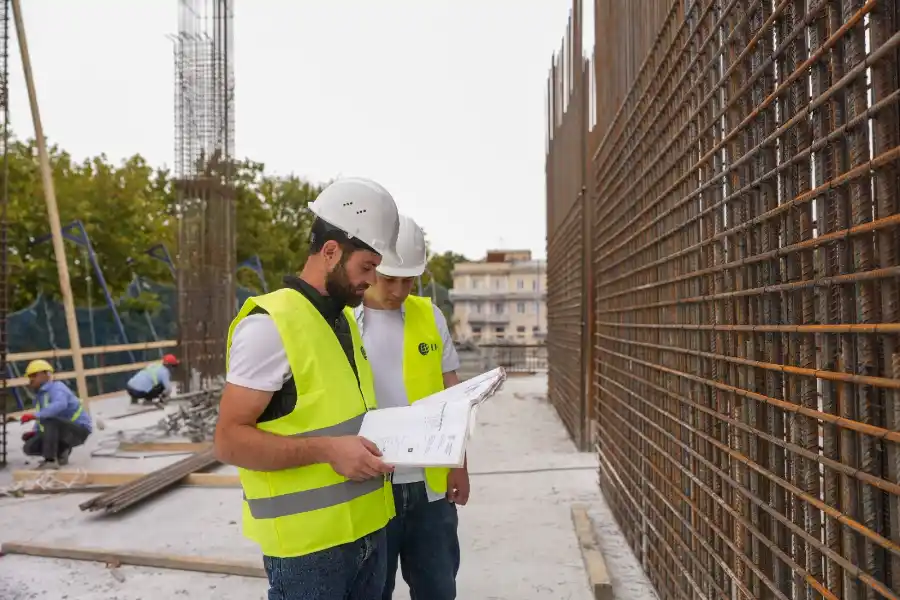
One of the most common violations is the failure to provide workers with adequate personal protective equipment. Construction personnel must be equipped with appropriate, high-quality safety gear, including safety glasses, gloves, protective footwear, durable workwear, hearing protection, and respiratory equipment. In practice, however, workers are frequently observed performing tasks without complete PPE.
Improper Site Fencing and Access Control
Insufficient site fencing poses significant risks to both workers and the public. Construction sites, particularly those located in populated areas or adjacent to public spaces, must be properly enclosed and access strictly controlled. Hazardous zones within the site should also be clearly identified and secured with protective barriers.
Lack of Employee Training
Insufficient personnel training remains a systemic challenge. Before commencing work, every employee should receive adequate training and information regarding construction activities, safety requirements, and potential hazards. Construction companies are responsible for ensuring that workers are properly trained in the safe use of equipment and machinery, emergency procedures, and applicable protocols.
Low Safety Awareness
A low level of safety awareness is one of the most fundamental causes of workplace violations. Employees often perceive safety as solely their personal responsibility, while others assume that occupational safety is the responsibility of a single designated individual. Such misconceptions prevent the development of an effective preventive safety culture.
Improper Management of Hazardous and Chemical Substances
Improper handling and storage of hazardous materials have a significant impact on the environment and human health. Construction activities involve the use and storage of chemicals such as paints, solvents, insulation materials, and cement. These substances are often stored outdoors or near water systems, creating risks of soil and groundwater contamination.
Poor Maintenance and Operation of Construction Equipment
Improperly maintained equipment represents a simultaneous risk to people, property, and the environment. All machinery and tools used on-site must be fully operational and maintained in accordance with manufacturer specifications. The use of non-certified or improvised replacement parts is unacceptable. Faulty engines and hydraulic systems may also lead to oil leaks, resulting in soil contamination on construction sites.
Environmental Impact
Environmental violations on construction sites are often less visible than occupational safety deficiencies; however, their consequences can be more long-lasting and difficult to mitigate.
Improper Waste Management
Uncontrolled disposal of construction waste, concrete debris, metal scrap, insulation materials, and packaging waste is one of the leading causes of soil contamination. Conducting construction activities without a waste management plan significantly increases environmental risks and may result in penalties imposed by regulatory authorities.
Leakage of Hazardous Substances
Leakages from construction equipment, fuel storage tanks, or chemical storage areas can contaminate soil and groundwater resources. The risks are particularly high for projects located near water resources or forest areas, where stricter environmental requirements apply.
Air Pollution
Dust emissions, exhaust gases from construction machinery, and vapors generated by paints and chemical materials negatively affect both workers and nearby residents. This issue is particularly critical in densely populated areas where construction activities take place close to residential buildings, schools, kindergartens, and healthcare facilities.
Construction Quality Control in Regulated Areas
Construction projects located within forest areas, water protection zones, special regulatory zones, cultural heritage sites, and within the administrative boundaries of Tbilisi are subject to stricter quality standards and more intensive inspections.
Oversight System and Regulatory Framework
The Construction Code establishes three types of supervision: public, technical, and safety supervision.
Public supervision is carried out by municipalities, while technical supervision is performed by accredited inspection bodies or certified experts. Technical supervision is mandatory for Class III and Class IV construction projects and optional for Class I and Class II projects. However, if a permit holder chooses not to engage a technical supervisor, full responsibility for compliance with construction documentation requirements remains with the permit holder.
Municipal authorities are required to inspect at least 10% of all Class III and Class IV construction permits issued during the previous year. This demonstrates that construction quality control is a systematic process rather than a one-time inspection. Effective oversight includes the review of milestone reports and documentation throughout the entire construction process.
What Should Be Verified Before Construction Begins?
Correct Classification of the Building
Accurately determining the building class is the first and most important step in any construction project. The classification determines whether a construction permit is required or whether a notification procedure is sufficient.
Verification of Functional Zoning
Projects located in cultural heritage zones, forest areas, or water protection zones are subject to additional procedural and environmental requirements. Functional zoning is determined through geodetic surveys and assessments.
Completeness of Construction Documentation
Construction documentation must be complete and verified before permit issuance. Incorrect classification of a building or improper determination of functional zoning are among the most common causes of project delays and procedural complications. These issues should be resolved before permits are granted to avoid restarting the approval process.
EFS Services for Comprehensive Construction Process Management
EFS is a consulting company that provides integrated services throughout all stages of the construction process. Since 2022, EFS has been implementing international approaches and standards within the business sector.
Construction Quality Control and Technical Supervision
Construction quality control and technical supervision are among EFS’s core services. The company's methodology and comprehensive approach ensure high-quality execution and minimize unforeseen defects.
The service includes:
-
Detailed assessment of ongoing construction activities;
-
Review and clarification of technological aspects of works;
-
Coordination with contractors;
-
Identification and photographic documentation of defects;
-
Preparation of individual reports for each work stage and communication with contractors.
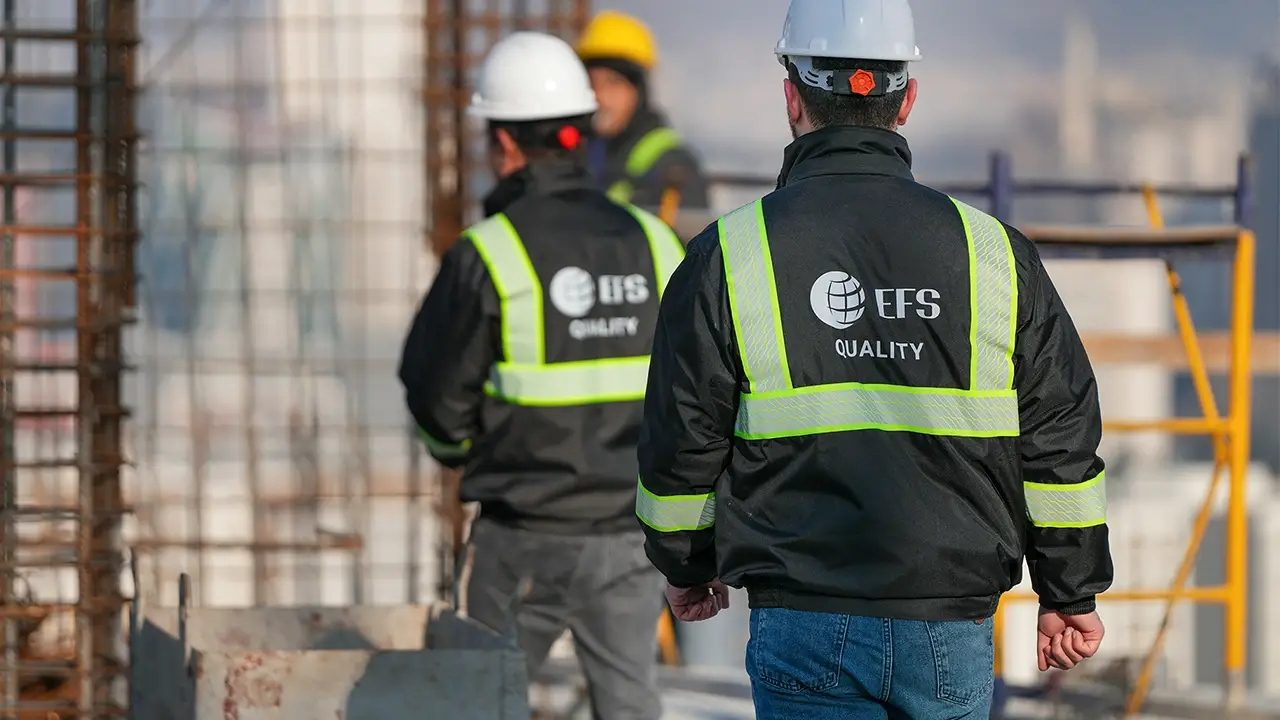
Daily inspections conducted by EFS quality specialists ensure that no critical detail is overlooked.
Occupational Health and Safety
EFS develops occupational health and safety management systems within client organizations, minimizes the likelihood of incidents, and protects businesses from unexpected financial and reputational losses.
The service includes:
-
Employee training and certification;
-
Periodic assessments;
-
Inspections and audits;
-
Incident investigation and reporting;
-
Identification and monitoring of corrective and preventive actions;
-
Preparation of compliance documentation;
-
First-party and second-party audits.
Environmental Protection
EFS supports organizations in managing environmental risks, ensuring compliance with applicable legislation, and implementing environmental standards.
The service includes:
-
Preparation and approval of waste management plans;
-
Preventive measures against environmental pollution;
-
Monitoring compliance with environmental requirements and standards;
-
Management of compliance records, logs, and reports;
-
Support in meeting regulatory obligations.
Geodesic Services
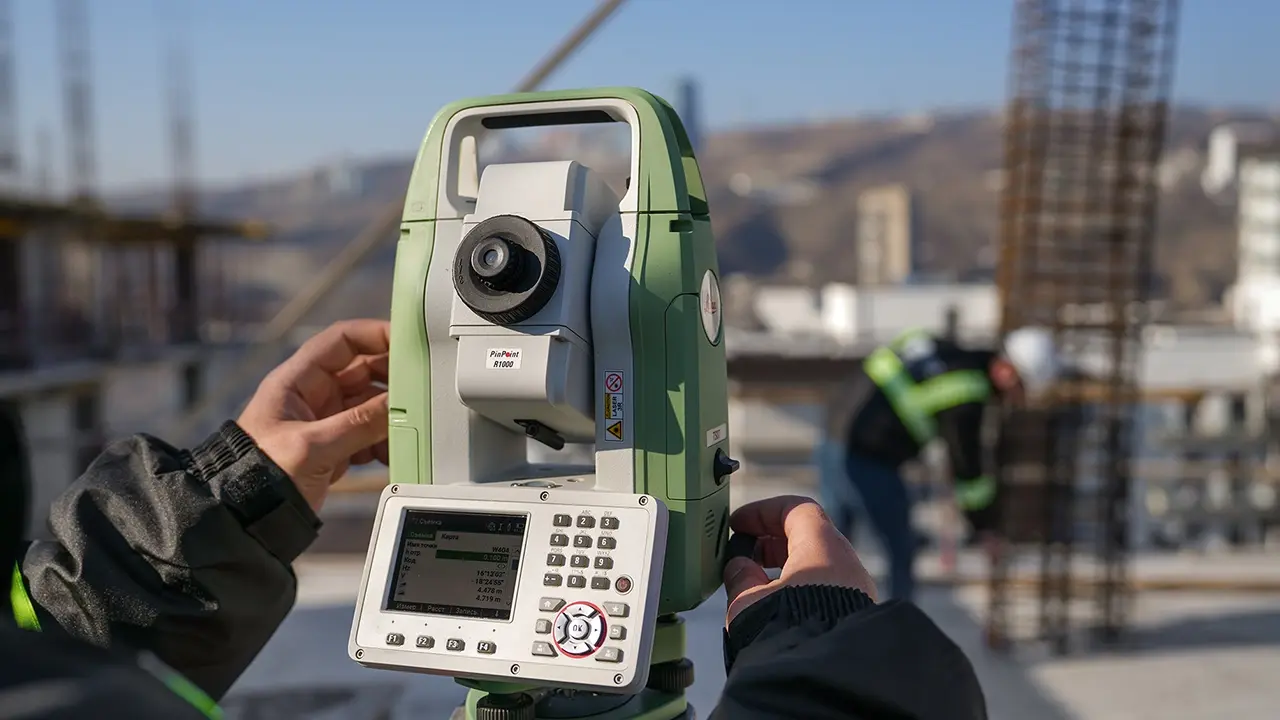
EFS provides precise land assessment, spatial data collection, and engineering surveying services.
The company's experts offer:
-
Topographic surveys and mapping;
-
Earthwork volume calculations;
-
As-built surveys;
-
Monitoring and measurement services.
Energy Audits
Energy auditing is an independent assessment aimed at identifying opportunities to reduce energy consumption and improve energy efficiency.
The EFS simplified energy audit includes:
-
Site visits;
-
Data collection and analysis;
-
Identification of energy efficiency measures;
-
Calculation of potential financial, energy, and environmental benefits;
-
Preparation of an energy audit report.
EFS is involved in every stage of the construction process until project completion. Where required, particularly for public, commercial, industrial, and warehouse facilities, the company continues its support during the operational phase.
Through a comprehensive approach, specialized expertise, and advanced equipment, EFS ensures that every stage of construction is carried out under effective control and in full compliance with applicable standards.
EFS services are available to both legal entities and individual clients.