
 EN
 KA
Every stage of the construction process is interconnected. An error at one stage often affects subsequent works, making it more difficult to correct later. Therefore, quality should not be assessed solely by inspecting the completed structure. The work must also be inspected directly during the construction process.
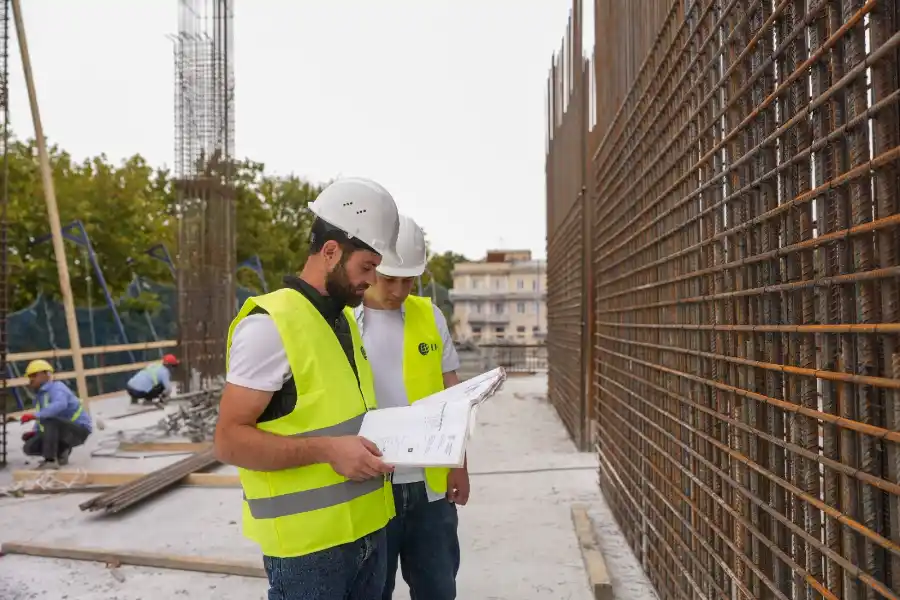
The purpose of technical supervision is to identify non-conformities as construction progresses. To achieve this, a specialist reviews the design documentation, inspects the completed work on-site, and records the findings in writing.
What Does a Specialist Inspect on a Construction Site?
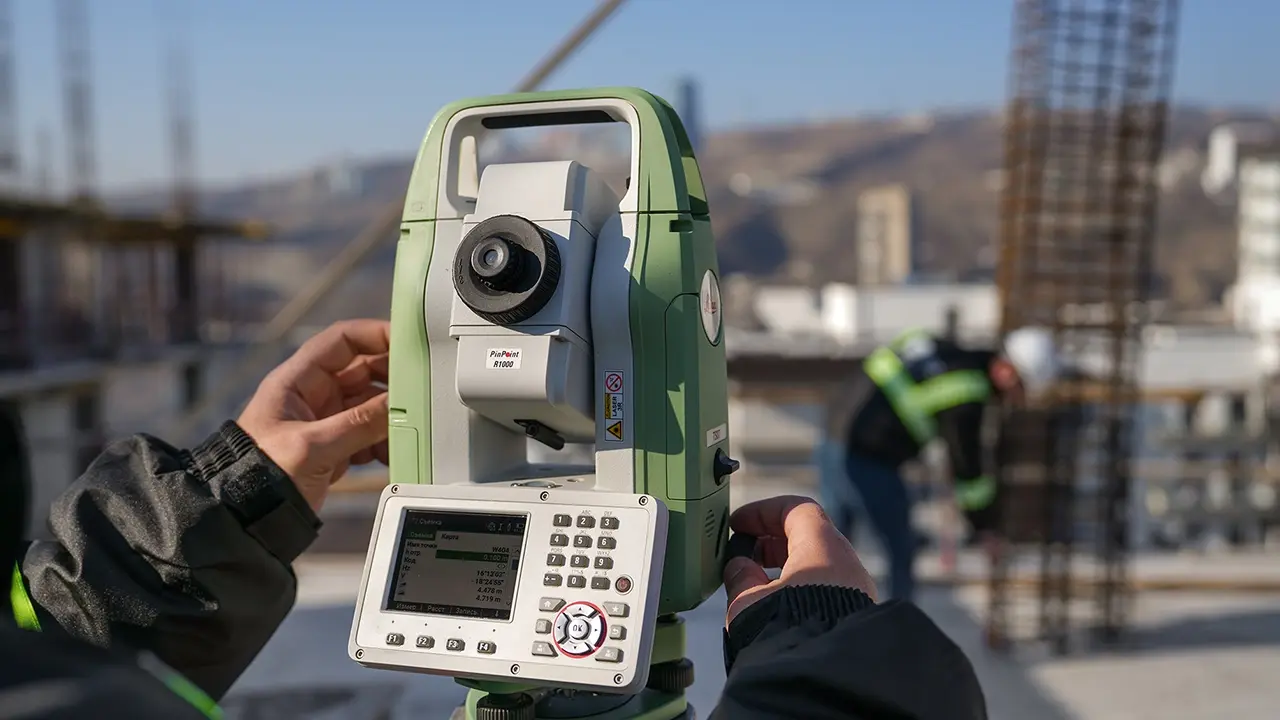
The specific tasks involved in construction quality control depend on the type of work being carried out. When structural elements are installed, the specialist compares their positions, dimensions, and elevations against the drawings. For example, they check whether a column or wall is positioned correctly, whether the specified dimensions have been maintained, and whether the required openings have been provided.
Before concreting, the reinforcement layout, spacing between bars, lap splices, and the clearances required for concrete cover are inspected. Attention is also given to formwork geometry and whether the structure is properly prepared for concreting.
Inspections also cover the sequence of works. Before the next stage begins, it is necessary to assess whether the preparatory work on which the upcoming stage depends has been completed properly.
Why Is the Timing of Inspections Important?
The timing of inspections should be determined in advance, taking into account the construction schedule and the specific requirements of each type of work.
For example, after concrete has been poured, the position of reinforcement can still be checked using specialized equipment. However, correcting improperly positioned reinforcement may require breaking out or removing part of the concrete. Before concreting, the reinforcement bars remain accessible, making it much easier to address any deficiencies at this stage.
In waterproofing works, the location of the structure must also be considered. The waterproofing of foundations or underground walls in contact with the soil should be inspected before the protective layer is installed and before backfilling begins. At this stage, the continuity of the waterproofing layer, overlaps, corners, and connections around pipes are assessed.
If the project specifies an exposed waterproofing system, its inspection is not dependent on a subsequent covering stage. Instead, the focus is on correct installation and compliance with the design details, including connections around drainage outlets and parapets.
How Are Deficiencies Documented and Corrected?
Any identified non-conformity must be described specifically. A general comment stating that the work has been performed poorly does not provide the contractor with sufficient information. The record should identify the location of the affected area and describe the non-conformity. Where necessary, measurement data and photographs should accompany the description.
If correcting the issue requires a change to the design solution, the proposed change must be agreed upon with the relevant parties. Once the correction has been made, the specialist reinspects the same area. The record should indicate whether the deficiency has been fully resolved, partially corrected, or requires additional work. A notification from the contractor stating that the work has been completed is not, on its own, sufficient to confirm that the issue has been resolved.
Documentation is important for projects of all sizes. The client should be able to use the records to verify when an issue was identified, what corrective action was agreed upon, and what results were obtained during the follow-up inspection.
Why Is Technical Supervision Important Throughout the Construction Process?
Quality control cannot be completed through a single inspection. Different types of risks arise at different stages of construction, so supervision must follow the entire process.
For example, at the initial stage, the main focus may be on structural elements. Later, attention may shift to waterproofing, engineering systems, or finishing works. Each requires a different type of inspection.
Consistent supervision gives the client a clearer understanding of how construction is progressing and where additional attention is needed. This approach helps identify deficiencies at a stage when they are still relatively easy to correct.
EFS Construction Quality Control and Technical Supervision
The core activity of the consulting company EFS in this area is verifying whether work performed on-site complies with structural drawings and the specified work execution methodology.
The service includes assessing ongoing works, documenting identified deficiencies, preparing recommendations, and reinspecting corrected areas.
To learn more about the scope of inspections and service terms for your specific project, contact the EFS team through the contact page.